

Introduction
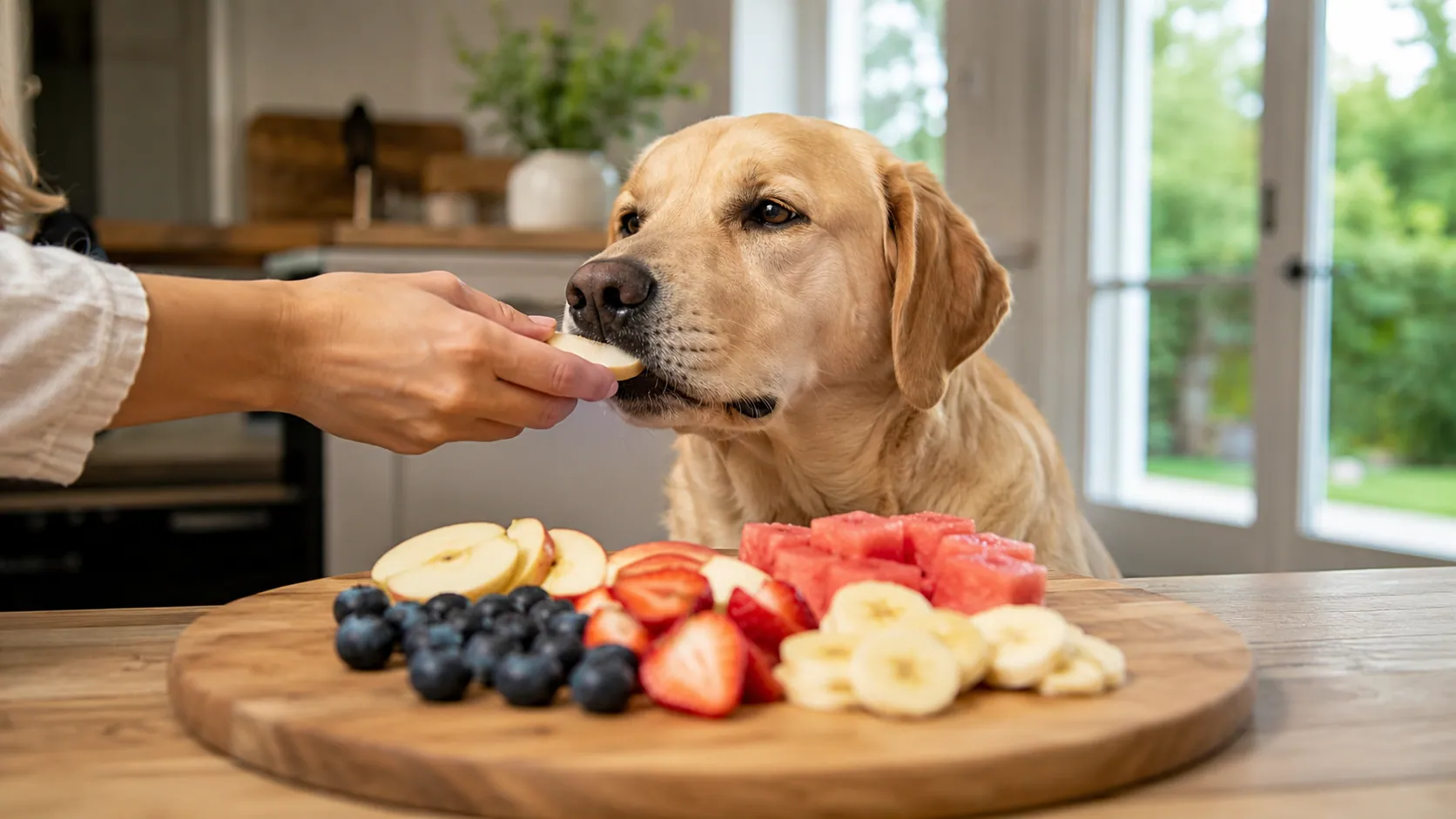
What fruits can dogs eat? It is one of the most common questions pet parents ask when they want to share a healthy snack without putting their dog’s health at risk. Fruits can feel like a better choice than processed treats, and in many cases, a few small pieces of the right fruit can be a safe and enjoyable reward for your dog.
However, not every fruit is dog-friendly, and even safe fruits for dogs should be served in moderation. Dogs get their main nutrition from a complete and balanced dog food, so fruit should be treated as an occasional snack, not a meal replacement or daily necessity. Many dogs do not need fruit in their diet at all, but certain fruits dogs can eat may be offered carefully as healthy dog treats when prepared the right way.
Before offering any fruit, think about the type of fruit, the portion size, your dog’s age and body size, and their overall health history. A small bite of banana may be fine for one healthy adult dog, while the same treat may not be the best choice for a dog with diabetes, obesity, pancreatitis, or a sensitive stomach. The safest approach is simple: choose dog-safe fruits, remove risky parts like seeds or pits, start with tiny amounts, and watch how your dog responds.
Quick Answer: Safe Fruits Dogs Can Eat in Moderation
Dogs can safely eat many fruits when they are prepared properly and served in small amounts. A safe fruits for dogs list usually includes apples without seeds or core, bananas, blueberries, strawberries, watermelon without seeds or rind, cantaloupe, mango without the pit, pears without seeds or core, pineapple flesh, peaches without pits, oranges in tiny amounts, cranberries, and cucumber.
Still, “safe” does not mean your dog can eat unlimited fruit. Most fruits contain natural sugar and fiber, so too much can lead to stomach upset, gas, loose stool, diarrhea, or extra calories. Fruit should stay in the treat category, not become a major part of your dog’s daily diet.
Here is a simple dog-safe fruit chart for quick reference:
| Fruit | Safe for Dogs? | Important Prep |
| Apples | Yes | Remove seeds and core |
| Blueberries | Yes | Wash; serve fresh or frozen |
| Bananas | Yes | Peel; serve small slices |
| Watermelon | Yes | Remove rind and seeds |
| Mango | Yes | Remove skin and pit |
| Pears | Yes | Remove seeds and core |
| Pineapple | Yes | Remove skin and core |
| Strawberries | Yes | Wash and remove stems |
| Peaches | Yes | Remove pit |
| Oranges | Sometimes | Peel, remove seeds, offer tiny portions |
The best fruits for dogs are usually the ones that are plain, fresh, washed, seed-free, and easy to chew. If your dog has never eaten a fruit before, start with one tiny piece and watch for vomiting, diarrhea, itching, or any unusual behavior. This keeps fruits dogs can eat in moderation safer and helps you find healthy snacks for dogs that fit your pet’s body and stomach.
Best Fruits for Dogs and Why They Can Be Helpful
The best fruits for dogs can offer small amounts of water, fiber, vitamins, antioxidants, and variety. These benefits can make fruit a nice occasional treat, especially when you want something simple and fresh. Still, fruit should not be treated as a cure for health problems or a replacement for balanced dog food. Think of it as a small bonus snack, not a main part of your dog’s nutrition.
Apples for dogs can be a crunchy, low-fat treat when prepared correctly. Remove the seeds and core before serving, because apple seeds and hard cores are not safe for dogs to eat. Small apple slices can be useful for dogs that enjoy chewing, but pieces should always be sized for your dog’s mouth.
Blueberries for dogs are one of the easiest fruits to serve. They are small, naturally sweet, and often used as low-calorie training treats. You can offer them fresh or frozen, but for very small dogs, it is safer to cut or soften frozen blueberries to reduce choking risk.
Strawberries for dogs can provide fiber and vitamin C, but they should be washed and chopped first. Whole strawberries may be too large for small dogs, and too many can upset the stomach because they contain natural sugar.
Watermelon for dogs is a refreshing choice, especially in warm weather. It has a high water content, so a few small pieces can be a cooling summer snack. Always remove the rind and seeds before giving watermelon to your dog, since the rind can be tough to digest and seeds may cause problems.
Bananas for dogs are soft, easy to mash, and simple to mix into a lick mat or puzzle toy. However, bananas are higher in sugar than some other fruits, so they should be served in small slices, not large chunks or daily portions.
Cantaloupe is another hydrating fruit dogs can eat in moderation. It is soft and easy to chew, but the seeds and rind should be removed first. Because it is naturally sweet, keep the amount small, especially for dogs that need weight control.
Pineapple can be a sweet, vitamin-rich treat, but only the fresh flesh should be offered. Remove the rough skin and firm core, then cut the fruit into tiny pieces. Since pineapple is sugary and acidic, too much may cause loose stool or stomach discomfort.
Mango can be tasty and nutrient-dense for dogs, but it needs careful prep. Remove the skin and pit completely before serving. The pit is a choking hazard and can be dangerous if swallowed.
Pears and peaches can also be safe fruit options when only the soft flesh is served. For pears, remove the seeds and core. For peaches, remove the pit completely. These fruits should be fresh, plain, and cut into small pieces before your dog eats them.
Overall, the real fruit benefits for dogs come from choosing safe fruits, preparing them properly, and serving them in modest amounts. A few bites can add variety to your dog’s treat routine, but moderation is what keeps these healthy snacks useful and safe.
Fruits Dogs Should Never Eat or Should Avoid
Some fruits are not safe for dogs, even if they seem healthy for people. The risk may come from natural toxins, pits, seeds, high fat content, choking hazards, digestive irritation, or a dog’s individual sensitivity. This is why pet parents should never assume that every fruit is automatically dog-friendly.
Grapes and raisins are at the top of the unsafe list. Dogs should never eat grapes or raisins because they have been linked to serious kidney injury, even in small amounts. The reaction can be unpredictable, so it is not worth testing whether your dog can “handle” them. If your dog eats grapes or raisins, contact a veterinarian or pet poison helpline right away.
Cherries are also best avoided. The flesh itself may not be the biggest issue, but the pits, stems, and leaves can be dangerous. Cherry pits may also create a choking risk or intestinal blockage, especially in smaller dogs.
Avocado is commonly listed as unsafe or not recommended for dogs. It is high in fat, which can upset some dogs’ stomachs, and the skin, pit, and leaves are additional concerns. The large pit can also become a serious choking or blockage hazard.
Fruit pits from peaches, plums, apricots, and nectarines should never be given to dogs. In some cases, the soft flesh may be safe when prepared properly, but the pits are risky. They can cause choking, damage teeth, block the digestive tract, and may contain cyanide-related compounds.
Lemons, limes, and grapefruit are not ideal fruits for dogs. They are usually too acidic and bitter, and they may cause drooling, vomiting, diarrhea, or stomach discomfort. Most dogs do not enjoy them anyway, so there is no real benefit in offering them.
Dogs should also avoid fruit canned in syrup because it contains too much added sugar. Even if the fruit itself is safe, the syrup can add unnecessary calories and may upset your dog’s stomach.
Be careful with dried fruit as well. Drying fruit concentrates the sugar, making it easier for dogs to eat too much. Raisins must be avoided completely, and other dried fruits should only be considered with caution, if at all.
Finally, never feed your dog moldy, fermented, rotten, or spoiled fruit. These can contain harmful bacteria, alcohol from fermentation, or toxins that may make your dog sick.
The safest rule is simple: when in doubt, do not share it. Stick with known safe fruits for dogs, remove risky parts, and contact your vet if your dog eats any toxic fruits for dogs or swallows fruit pits.
How to Prepare Fruit for Dogs Safely
Knowing how to feed fruit to dogs is just as important as knowing which fruits are safe. Even dog-friendly fruit can become risky if it is served with seeds, pits, thick skins, or added ingredients. Good fruit prep for dogs keeps the treat simple, clean, and easy to chew.
Start by washing the fruit well. This helps remove dirt, bacteria, and possible residue from the skin. Even if you plan to peel the fruit, washing it first is still a smart step because your knife can carry residue from the outside into the flesh.
Next, remove any parts that may be hard to digest or unsafe. This includes seeds, pits, stems, leaves, cores, thick skins, and rinds. For example, apples should be served without the core and seeds, watermelon should be served without the rind and seeds, and mango should always be given without the pit.
After that, cut the fruit into small, bite-sized pieces based on your dog’s size. A piece that seems small for a large dog may still be too big for a toy breed or puppy. Smaller pieces are easier to chew and help reduce the risk of choking.
If your dog has never tried that fruit before, start with a tiny amount. Give one small piece and watch for signs of stomach upset, such as vomiting, diarrhea, gas, drooling, or refusing food. Some dogs have more sensitive stomachs than others, even with fruits that are generally considered safe.
Always serve fruit plain. Do not add sugar, salt, chocolate, whipped cream, syrup, spices, or sweetened yogurt. Be especially careful with anything labeled sugar-free, because some processed foods may contain xylitol, an artificial sweetener that is highly dangerous for dogs. Before sharing any packaged or processed fruit product, check the ingredient label carefully.
A simple rule I use with dogs is: if the fruit has a hard center, tough rind, or small seeds, prepare it first instead of handing it over whole. Safe dog treats should be easy to chew, easy to digest, and free from risky parts or added ingredients.
How Much Fruit Can Dogs Eat?
When it comes to fruit, portion size matters. Even safe fruit can cause problems if a dog eats too much at once. Fruit contains natural sugar, water, and fiber, which can be helpful in small amounts but may lead to digestive upset when overfed.
A good rule to follow is the 10% treat rule. Treats, including fruit, should make up only a small part of your dog’s daily calories. Most of your dog’s nutrition should still come from a complete and balanced dog food that is made for their age, size, and health needs.
Here is a simple guide for fruit serving size for dogs:
| Dog Size | Example Fruit Portion |
| Toy/small dog | 1–2 tiny pieces |
| Medium dog | 2–4 small pieces |
| Large dog | A few bite-sized pieces |
| Giant breed | Small handful, depending on fruit and diet |
These are general dog snack portions, not strict rules. The right amount depends on your dog’s calorie needs, weight, activity level, age, health condition, and the type of fruit. For example, a few blueberries may be lighter than several banana slices, while watermelon contains more water but still needs to be served without rind or seeds.
If your dog is overweight, diabetic, prone to pancreatitis, or has a sensitive stomach, ask your veterinarian before making fruit a regular treat. Some dogs do better with very limited extras, even when the food is technically safe.
Signs your dog may have eaten too much fruit include gas, soft stool, diarrhea, vomiting, belly discomfort, drooling, or refusing food. If this happens, stop giving fruit and let your dog’s stomach settle. If symptoms are severe, repeated, or your dog seems weak or unwell, contact your vet for advice.
Fruit Safety by Dog Age, Size, and Health Condition
Fruit safety is not the same for every dog. A fruit that is fine for a healthy adult dog may not be the best choice for a puppy, senior dog, overweight dog, or dog with a medical condition. This is why dog diet safety should always depend on your dog’s age, size, daily calories, and health history.
For puppies, fruit should be introduced with extra caution. Puppies have smaller bodies and more sensitive stomachs, so even a safe fruit can cause loose stool if they eat too much. If you offer fruit for puppies, start with one tiny soft piece, such as a small bit of banana, apple without seeds, or blueberry cut in half. Puppy food should still be their main source of nutrition.
For senior dogs, soft fruits may be easier to chew, especially if the dog has missing teeth or gum sensitivity. Small pieces of banana, watermelon without seeds or rind, or soft pear without seeds can be easier than hard crunchy snacks. Still, sugar and calories matter, especially if the senior dog is less active or already gaining weight.
Small dogs need smaller fruit portions than medium or large dogs. They also have a higher choking risk, so fruit should be cut into tiny pieces. A chunk that looks harmless for a Labrador may be too large for a Chihuahua, Yorkie, or toy poodle. For small dogs, one or two tiny bites are often enough.
For overweight dogs, choose lower-calorie fruits and keep portions very controlled. Blueberries, small apple pieces without seeds, or a few pieces of watermelon may be better choices than frequent banana, mango, or pineapple. These sweeter fruits can still be safe, but they add more sugar and calories if given too often.
For dogs with diabetes, fruit should only be offered with veterinary guidance. Fruit contains natural sugars, and even healthy-looking snacks may affect a diabetic dog’s diet plan. If your dog has diabetes, ask your vet which fruits, if any, fit safely into their feeding routine.
Dogs with a history of pancreatitis also need extra care. While most fruits are not high in fat, any new treat can still disturb a sensitive digestive system. Dogs with pancreatitis often need a carefully managed diet, so it is best to ask your vet before adding fruit or any new snack.
For dogs with food allergies or sensitive stomachs, introduce only one fruit at a time. Give a very small amount, then watch for vomiting, diarrhea, itching, ear irritation, gas, or changes in appetite. If your dog reacts poorly, stop giving that fruit and avoid mixing several new foods at once, because it becomes harder to know what caused the problem.
The safest approach is simple: match the fruit to your dog, not just to a general safe list. Age, size, weight, chewing ability, and health conditions all matter when choosing fruit for dogs.
Best Ways to Use Fruit as a Dog Treat
Fruit can be a simple way to add variety to your dog’s treat routine, as long as it is served plain and in small amounts. The best fruit dog treats are easy to chew, low in added ingredients, and matched to your dog’s size and health needs.
Tiny blueberries can work well as training treats because they are small, quick to serve, and lower in calories than many store-bought snacks. For very small dogs, you can cut them in half or lightly soften frozen berries before offering them.
On hot days, try frozen fruit for dogs, such as small seedless watermelon cubes. Make sure the rind and seeds are removed first. Frozen watermelon can be refreshing, but the pieces should be small enough to prevent choking, especially for puppies and small breeds.
A little mashed banana can be spread onto a lick mat for a calm enrichment activity. Because banana is naturally sweet, use only a thin layer. This can be helpful when you want a quiet treat during grooming, crate time, or after a walk.
You can also add a few small apple pieces to a puzzle feeder. Apples should always be served without seeds or core. This gives your dog a little crunch and encourages slower, more thoughtful eating.
Tiny pieces of strawberry can be mixed into regular food occasionally for variety. Keep the amount small, and do not add sugar, cream, syrup, or flavored yogurt.
Fruit is usually best as a low-value or medium-value reward, not the main treat for every training session. Some dogs may prefer meat-based training treats, while others enjoy fruit as a fresh snack. The goal is balance, not replacing your dog’s normal diet with sweet foods.
If your dog is on a prescription diet or has diabetes, pancreatitis, kidney disease, allergies, obesity, or a sensitive stomach, ask your veterinarian before using homemade dog fruit treats regularly. Plain fruit can be one of many healthy dog treat ideas, but it should not replace professional nutrition advice for dogs with special dietary needs.
Common Fruit Mistakes Pet Parents Should Avoid
Even when you choose safe fruits, small mistakes can turn a healthy-looking snack into a problem. Most dog fruit mistakes happen because pet parents assume fruit is always harmless, or they forget that dogs digest foods differently than humans.
One common mistake is giving fruit every day in large amounts. Fruit may seem light and healthy, but it still contains natural sugar and fiber. Too much can cause gas, soft stool, diarrhea, or extra calories over time. Fruit should stay an occasional treat, not a daily bowl filler.
Another mistake is letting dogs eat pits, cores, seeds, or rinds. These parts can be hard to digest and may cause choking or blockage. If your dog ate a fruit pit from a peach, plum, apricot, mango, or nectarine, it is best to contact your veterinarian for guidance, especially if your dog is small or showing symptoms.
Some pet parents also assume that all natural foods are safe. This is not true for dogs. Grapes and raisins are natural, but they are unsafe for dogs and may be linked to serious kidney problems. If your dog ate grapes or raisins, do not wait to see what happens. Call your vet or a pet poison helpline quickly.
Fruit desserts are another area to avoid. Dogs should not eat fruit pies, jams, fruit snacks, canned fruit in syrup, sweet smoothies, or fruit cups with added sugar. These foods may contain too much sugar, dairy, artificial sweeteners, or other ingredients that are not good for dogs. If you are wondering, can dogs eat fruit snacks? The safer answer is no; fresh, plain fruit is a much better choice.
Avoid giving your dog a whole apple, peach, mango, or melon slice without preparation. Whole fruits can include seeds, cores, pits, tough skins, or rinds. They can also be too large, especially for puppies and small dogs.
Finally, never ignore symptoms after your dog eats something unusual. Watch for vomiting, diarrhea, tremors, weakness, lethargy, drooling, belly pain, loss of appetite, or repeated attempts to vomit. These signs may mean your dog ate too much fruit, swallowed a risky part, or reacted to an unsafe human food. When something feels off, it is always safer to ask a vet than to guess.
What to Do If Your Dog Eats an Unsafe Fruit
If your dog eats an unsafe fruit, stay calm but act quickly. The right response depends on what your dog ate, how much they ate, their size, and whether they are showing symptoms. If your dog ate grapes, raisins, fruit pits, large seeds, moldy fruit, spoiled fruit, or anything containing xylitol, contact your veterinarian, an emergency vet, or a pet poison helpline promptly.
This is especially important with grapes and raisins. Do not wait for symptoms after grape or raisin ingestion, because serious problems may not appear right away. Even if your dog seems normal at first, it is safer to get professional advice as soon as possible.
You should also call a vet if your dog ate a fruit pit, such as a peach, plum, apricot, nectarine, or mango pit. Pits can create choking risks, damage teeth, irritate the stomach, or cause an intestinal blockage. Large seeds, tough rinds, and hard cores can also be risky, especially for small dogs.
Watch closely for toxic fruit symptoms in dogs, including:
| Symptom to Watch For | Why It Matters |
| Vomiting | May signal stomach irritation or toxin exposure |
| Diarrhea | Can happen after unsafe fruit or too much fruit |
| Loss of appetite | May show discomfort or illness |
| Weakness or lethargy | Can be a warning sign of a serious reaction |
| Abdominal pain | May suggest stomach upset or blockage |
| Excessive drooling | Can happen with nausea or irritation |
| Tremors | Needs urgent veterinary attention |
| Trouble breathing | Treat as an emergency |
| Straining or signs of blockage | May happen if a pit, rind, or core was swallowed |
When calling your vet, be ready to share what fruit your dog ate, how much they may have eaten, when it happened, your dog’s weight, and any symptoms you notice. If you still have the fruit, package, pit, or label, keep it nearby so you can describe it clearly.
The safest rule is simple: when to call vet dog ate fruit depends on the fruit and the symptoms, but grapes, raisins, xylitol, moldy fruit, spoiled fruit, and swallowed pits should always be taken seriously. Early advice can prevent a small accident from becoming a bigger health problem.
FAQs
Can dogs eat fruit every day?
Some dogs can have tiny amounts of safe fruit occasionally, but fruit should not become a major daily food. Fruit is best used as a small treat, while complete and balanced dog food should remain your dog’s main nutrition source.
What is the healthiest fruit for dogs?
Blueberries, apples without seeds, strawberries, and watermelon without rind or seeds are commonly recommended safe options. The healthiest choice depends on your dog’s size, weight, stomach sensitivity, and overall diet.
Can dogs eat apples?
Yes, dogs can eat apples, but the core and seeds should be removed first. Serve apples in small slices or bite-sized pieces to make them easier and safer to chew.
Can dogs eat bananas?
Yes, dogs can eat bananas in small amounts. Bananas are soft and easy to mash, but they are higher in natural sugar, so they should be given as an occasional treat, not a large snack.
Can dogs eat watermelon?
Yes, dogs can eat watermelon if it is served without seeds and without the rind. Small pieces of seedless watermelon can be a refreshing treat, especially in warm weather.
Can dogs eat grapes?
No. Dogs should never eat grapes or raisins. They are unsafe for dogs and have been linked to serious kidney problems, so contact a vet quickly if your dog eats them.
Can puppies eat fruit?
Puppies can eat tiny pieces of certain safe fruits, but new foods should be introduced slowly. Their stomachs are sensitive, so start with a very small amount and watch for vomiting, diarrhea, or appetite changes.
Can dogs eat canned fruit?
Fresh fruit is better. Avoid canned fruit in syrup or with added sugar because it can add unnecessary calories and may upset your dog’s stomach.
Can dogs eat frozen fruit?
Yes, some safe fruits can be served frozen, such as blueberries or small seedless watermelon pieces. Make sure the pieces are small enough to prevent choking, especially for puppies and small dogs.
Conclusion
So, what fruits can dogs eat? Dogs can safely enjoy several fruits, including apples, blueberries, bananas, strawberries, watermelon, mango, pears, pineapple, peaches, cantaloupe, cranberries, and oranges when they are prepared properly and served in moderation.
The safest fruit for dogs should be washed, plain, and cut into small pieces. Remove risky parts such as seeds, pits, cores, stems, leaves, rinds, and tough skins before offering fruit to your dog. These parts can create choking risks, stomach upset, or digestive blockage.
It is also important to remember that grapes and raisins should never be fed to dogs, even in small amounts. They are not safe fruits for dogs and may cause serious health problems.
Fruit can be one of many healthy dog treats, but it should never replace complete and balanced dog food. Dogs with diabetes, pancreatitis, obesity, allergies, chronic stomach issues, or special diets should only eat fruit with veterinary guidance.
Disclaimer:
This article is for general informational purposes only and should not replace advice from a qualified veterinarian. Every dog’s diet, health needs, and tolerance to fruit can vary. Always speak with your vet before introducing new foods, especially if your dog has a medical condition, food sensitivity, or special diet.