

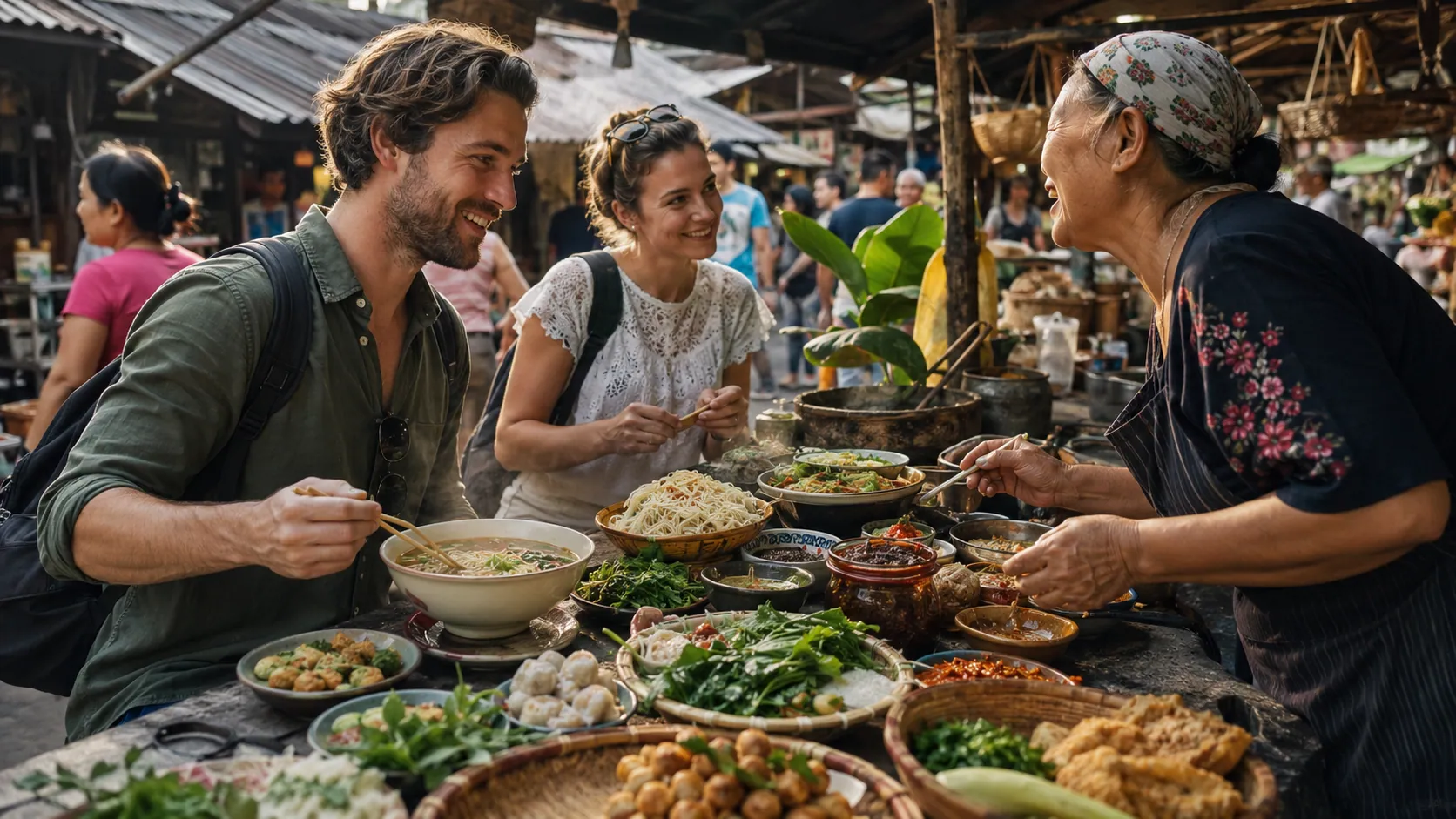
Introduction:
What are culinary treasures food travel experiences really about? They are the local dishes, markets, cooking traditions, ingredients, and food stories that help travelers understand a destination through taste. When people travel, they often remember the meals as much as the landmarks. A bowl of ramen in Japan, fresh pasta in Italy, tacos in Mexico, or spices in Morocco can tell you something real about a place.
Culinary treasures in food travel are not only famous dishes served in popular restaurants. They can also be simple, everyday foods made with care. They may come from street food stalls, family-run restaurants, local markets, food festivals, home kitchens, vineyards, farms, fishing villages, or cooking classes. What makes them special is their connection to local cuisine, cultural heritage, regional identity, and authentic food experiences.
This guide explains what culinary treasures mean, why they matter, how to find them while traveling, and how to enjoy them responsibly.
What Are Culinary Treasures in Food Travel?
Culinary treasures are meaningful food experiences that reflect the culture, history, ingredients, and traditions of a destination. In simple words, they are the foods and food experiences that make a place feel unique.
A culinary treasure can be a famous dish, such as Neapolitan pizza in Naples, sushi in Japan, tagine in Morocco, paella in Spain, or biryani in India. But it can also be something less famous, such as a family recipe, a local breakfast, a handmade cheese, a regional snack, fresh seafood from a fishing village, or a spice blend sold in a neighborhood market.
The idea is closely connected to culinary tourism, food tourism, and gastronomic tourism. These terms describe travel experiences where food is not just something you eat during a trip. Instead, food becomes a way to explore a destination.
A true culinary treasure usually has at least one of these qualities:
| Culinary Treasure Quality | What It Means |
| Local connection | It is tied to a specific place, region, or community |
| Cultural meaning | It reflects traditions, history, or identity |
| Authentic preparation | It uses local methods, recipes, or ingredients |
| Memorable taste | It gives travelers a strong sense of place |
| Human story | It connects to farmers, cooks, artisans, families, or local sellers |
For example, Parmigiano-Reggiano, balsamic vinegar, pesto, Washoku, sake, Parsi food, street food in Bangkok, and Moroccan spice markets all show how food can become part of a destination’s identity.
How Culinary Treasures Connect Food, Culture, and Travel
Food is one of the easiest ways to understand a place. A traveler may not know the local language, history, or customs, but a meal can still create a strong cultural connection. This is why food and culture are so closely linked in travel.
Every dish has a background. Some dishes come from local farming, while others are shaped by coastlines, mountains, rivers, trade routes, migration, religion, or climate. For example, coastal areas often have strong seafood traditions. Farming regions may be known for rice, grains, olive oil, vegetables, or cheese. Spice routes helped shape many cuisines in India, Turkey, Morocco, and Southeast Asia.
Culinary heritage also protects memories. Recipes are often passed from parents to children. Cooking methods can stay alive for generations. Local food customs may be tied to weddings, festivals, religious events, harvest seasons, or family gatherings. This is why many food traditions are now seen as part of intangible cultural heritage.
A good food travel experience is not only about taste. It is also about learning why a dish matters. A bowl of soup may tell a story about winter survival. A festival dessert may explain a religious celebration. A market meal may show how local farmers, fishers, and cooks support the community.
As the common food travel saying goes:
“To understand a place, start with what people eat every day.”
That is the heart of culinary travel. It turns meals into stories and destinations into living experiences.
Culinary Treasures vs Regular Tourist Food
Not every meal during a trip is a culinary treasure. Some food is made mainly for convenience or for large tourist crowds. That does not always mean it is bad, but it may not give travelers a real taste of local life.
A culinary treasure usually feels connected to the place. It may be found in a local restaurant, traditional market, family-run café, street food stall, food tour, or home-style kitchen. Regular tourist food is often easier to find near major attractions, but it may be less connected to local culture.
| Culinary Treasure | Regular Tourist Food |
| Reflects local cuisine and regional identity | Often designed for visitors |
| Uses local ingredients and traditional methods | May use generic ingredients |
| Has a story, custom, or cultural meaning | Mainly focuses on convenience |
| Often found in markets, homes, small restaurants, or festivals | Often found near major tourist areas |
| Supports local businesses and food producers | May not support the local food community as much |
For example, eating pizza in a busy tourist square in Italy may be pleasant. But trying a wood-fired Neapolitan pizza in Naples from a long-standing local pizzeria can feel like a deeper food travel experience. The same is true for sushi in Japan, tacos in Mexico, tagine in Morocco, or fresh seafood in a coastal town.
The goal is not to avoid all tourist areas. The goal is to look for food that feels rooted in the place.
Types of Culinary Treasures Travelers Can Discover
Food travel experiences come in many forms. Some are casual and inexpensive, while others are planned, guided, or luxurious. The best trips often include a mix of both.
Street Food and Night Markets
Street food is one of the most popular ways to discover culinary treasures. It is often fresh, affordable, and full of local flavor. In cities like Bangkok, Hanoi, Istanbul, Mexico City, Jakarta, and Marrakech, street food shows what people eat in daily life.
Examples include satay, tacos, shawarma, nasi goreng, kebabs, dumplings, noodles, grilled seafood, churros, and regional snacks. A street food stall may not look fancy, but it can carry years of skill and tradition.
Local Markets and Fresh Ingredients
Markets are some of the best places to understand local food culture. A market shows what grows nearby, what people cook at home, and which ingredients matter most in the region.
A traveler may find spice markets, fish markets, farmers’ markets, fruit stalls, cheese counters, olive oil shops, tea sellers, coffee roasters, and bakeries. These places reveal the building blocks of local cuisine.
For example, olive oil, basil, garlic, tomatoes, pine nuts, seafood, local rice, fresh herbs, and spices can all become part of a region’s culinary identity.
Traditional Dishes and Family Recipes
Many culinary treasures are traditional dishes passed down through generations. These dishes often carry family memories and community history.
Examples include biryani in India, tagine in Morocco, paella in Spain, pasta in Italy, sushi in Japan, rendang in Indonesia, mole in Mexico, moussaka in Greece, and Parsi food in Udwada. Even when these dishes become famous globally, the local version often has more meaning because it is tied to place and tradition.
Cooking Classes, Food Tours, and Festivals
Cooking classes, food tours, and food festivals help travelers understand the story behind a meal. A cooking class can show why a sauce is prepared a certain way. A food tour can introduce travelers to hidden food gems. A festival can show how food connects to music, religion, harvests, and celebration.
Food tours are especially useful for beginners because a local guide can explain ingredients, customs, and history in a simple way.
Wine, Coffee, Tea, and Artisan Products
Culinary treasures are not limited to meals. Drinks and artisan products also matter. Wine tastings in Bordeaux, Champagne, Tuscany, and Provence, sake in Japan, tea ceremonies, coffee culture, cheese trails, chocolate tourism, and olive oil tasting all show how local products become part of travel.
These experiences often connect travelers with farmers, artisans, winegrowers, chefs, and local producers.
Best Examples of Culinary Treasures Around the World
Every region has its own culinary treasures. Some are famous worldwide, while others are best known locally. The strongest examples are not only tasty; they also reveal something about the place.
Italy is known for Neapolitan pizza, pasta, pesto from Genoa, risotto, Parmigiano-Reggiano, balsamic vinegar, truffles from Umbria, tiramisu, and limoncello from the Amalfi Coast. Italian food is deeply regional, which means each area has its own specialties.
Japan offers culinary treasures such as sushi, ramen, Washoku, sake, kaiseki, ryotei dining, and local food culture in Ishikawa and Kanazawa. Japanese cuisine often highlights seasonality, balance, quality ingredients, and careful presentation.
India is rich in spices, regional dishes, and food traditions. Examples include biryani, dosa, chapati, butter chicken, local sweets, street snacks, and Parsi food in Udwada, Gujarat.
Mexico is a major food travel destination because of tacos, mole, tamales, corn-based dishes, Oaxaca culinary heritage, and Mexico City food travel. Mexican cuisine is closely tied to indigenous ingredients, family recipes, and market culture.
Morocco offers tagine, couscous, harira soup, mint tea, spice markets, and street food in Marrakech. Its cuisine reflects Arab, Berber, Mediterranean, and African influences.
France is famous for croissants, local cheeses, wine, Champagne, Bordeaux, Provence, fine dining, and traditional bistros. France also shows how food, farming, and regional pride can shape national identity.
Thailand is loved for street food, night markets, fresh herbs, noodles, seafood, spicy-sour flavors, and local snacks. Thai food travel is often lively, colorful, and easy to explore.
Spain has tapas, paella, churros con chocolate, seafood, olive oil, and San Sebastián food travel. It is a great example of how regional cuisine can shape the travel experience.
These examples show that culinary treasures around the world are not one type of food. They can be simple, elegant, old, modern, rustic, or refined.
How to Find Culinary Treasures While Traveling
Finding hidden food gems does not have to be difficult. The key is to look beyond the most obvious places and pay attention to where locals eat.
Start by researching a few regional dishes before your trip. Instead of searching only for “best restaurants,” search for local foods, neighborhood markets, traditional dishes, and family-run restaurants. This helps you understand what to look for when you arrive.
Ask locals simple questions like, “Where do you eat on a normal day?” or “What dish should I try here?” Hotel staff, taxi drivers, shopkeepers, market sellers, and local guides can often give better suggestions than generic tourist lists.
Use Google Maps restaurant research carefully. Look for detailed reviews, local-language comments, recent photos, and menus that mention regional specialties. Social platforms like Instagram, TikTok, and YouTube can help, but do not rely only on viral spots. A restaurant can be popular online and still not be the best local experience.
Food tours and market tours can also help. A good guide can explain why certain dishes matter, where ingredients come from, and how to eat respectfully.
Practical ways to find culinary treasures include:
- Visit local markets early in the day.
- Walk a few streets away from major tourist attractions.
- Try seasonal dishes and daily specials.
- Choose busy local places with steady turnover.
- Ask about family recipes or regional specialties.
- Book one food walking tour or cooking class if possible.
- Try one unfamiliar dish that feels safe and well-prepared.
The best culinary treasures are often found when curiosity meets local knowledge.
Food Safety, Dietary Needs, and Smart Choices Abroad
Food travel should be exciting, but it should also be safe. Trying new dishes is part of the adventure, yet travelers should make smart choices, especially with street food, seafood, raw foods, allergies, and dietary restrictions.
For street food, choose stalls that are busy and cook food fresh in front of you. High customer turnover usually means ingredients move quickly. Watch how the food is handled. If something looks poorly stored, uncovered, or undercooked, choose another place.
Be careful with raw seafood, unfiltered water, ice in some destinations, and unfamiliar ingredients if you have a sensitive stomach. This does not mean avoiding local food. It means choosing wisely.
Travelers with allergies should learn key food words in the local language. It can help to carry a translated allergy card. For halal, vegetarian, vegan, or gluten-free travel food needs, research restaurants, local phrases, and suitable neighborhoods before arrival.
A simple rule works well:
Eat adventurously, but choose carefully.
Food safety does not remove the joy from culinary travel. It helps travelers enjoy local cuisine with more confidence.
Seasonal and Regional Factors That Shape Culinary Treasures
Many culinary treasures are seasonal. The best version of a dish may only appear during a certain time of year. This is why seasonal cuisine plays such an important role in food travel.
In spring, travelers may find fresh herbs, greens, early vegetables, flower festivals, and light seasonal dishes. Summer often brings seafood, night markets, open-air food festivals, fresh fruit, and grilled foods. Autumn is a strong season for wine harvest experiences, mushrooms, truffles, apples, olives, and harvest festivals. Winter brings comfort foods, hot drinks, preserved foods, soups, stews, and holiday markets.
Regional factors also matter. Coastal areas may be known for fish, shellfish, seaweed, or lobster. Mountain regions may have cheeses, grains, preserved meats, and hearty dishes. Farming areas may produce rice, wheat, vegetables, fruit, olive oil, or wine.
For example, Ishikawa in Japan is shaped by fishing grounds, seasonal produce, local rice, and sake traditions. Tuscany is shaped by vineyards, olive oil, truffles, and rustic farm meals. Gujarat and Udwada connect food with Parsi traditions, religious pilgrimage, and local dishes.
The more travelers understand season and region, the better they can experience food at its best.
Responsible Ways to Enjoy Culinary Treasures
Responsible culinary tourism means enjoying food in a way that respects local people, culture, and the environment. It is not only about what you eat. It is also about where your money goes and how you behave as a visitor.
One of the best ways to travel responsibly is to support local businesses, small restaurants, family-owned cafés, farmers, fishers, artisans, and food producers. Buying from markets or eating at locally run restaurants helps money stay in the community.
Respect is also important. Some foods may be connected to religion, family history, or sacred traditions. Travelers should avoid treating cultural food practices as entertainment only. Ask questions politely, follow local dining customs, and be open to learning.
Sustainable choices also matter. Choose seasonal food when possible. Avoid wasting food. Be thoughtful with seafood choices, especially in places where overfishing is a concern. Pay fairly for food tours, cooking classes, and local guides.
Responsible food travel can help protect culinary heritage for future generations. When travelers value traditional recipes, local ingredients, and community food culture, they help keep those traditions alive.
Common Food Travel Mistakes to Avoid
Even experienced travelers can miss great culinary treasures by making simple mistakes. One common mistake is eating only near major landmarks. These areas are convenient, but they often have higher prices and less authentic food.
Another mistake is choosing restaurants only because they are popular on social media. Instagram-worthy moments can be fun, but a beautiful photo does not always mean the food has strong local value.
Some travelers also avoid unfamiliar food completely. This can make a trip feel safe, but it may also prevent them from discovering the best local flavors. The goal is not to eat everything. The goal is to try new foods wisely.
Other common mistakes include not researching regional dishes before arriving, ignoring breakfast traditions, skipping local markets, relying only on tourist guides, and forgetting food safety basics.
It is also important to respect dining customs. In some cultures, eating with hands is normal. In others, slurping noodles is acceptable. In some places, bread is used like a tool. These customs are part of the food experience.
Food travel becomes more rewarding when travelers stay curious, respectful, and open-minded.
Beginner-Friendly Checklist for Discovering Culinary Treasures
A simple checklist can help travelers turn a normal trip into a meaningful culinary journey.
Before traveling, research 3–5 regional dishes you want to try. Save a few local markets, food streets, traditional restaurants, and family-run places. Look for one food tour, cooking class, or market tour if your budget allows.
During the trip, ask locals where they eat. Try seasonal dishes and daily specials. Visit markets early in the day. Read restaurant reviews carefully, especially local-language reviews. Try at least one unfamiliar dish that feels safe and well-prepared.
Also remember the basics: learn key allergy phrases if needed, respect local customs, carry cash for small food stalls, and support local producers whenever possible.
A good food travel checklist includes:
- Research regional dishes before arrival.
- Visit at least one local market.
- Ask locals for everyday food recommendations.
- Try street food carefully.
- Book one guided food experience if possible.
- Eat seasonal and local foods.
- Respect dining customs.
- Support small businesses and local producers.
This approach keeps food travel simple, safe, and meaningful.
FAQs About Culinary Treasures in Food Travel
What are culinary treasures in simple words?
Culinary treasures are special local food experiences that help travelers understand a place. They can include traditional dishes, street food, markets, family recipes, cooking methods, local ingredients, and food customs.
Is street food considered a culinary treasure?
Yes, street food can be a culinary treasure when it reflects local flavor, skill, culture, and daily life. A simple food stall can sometimes offer a more authentic experience than a formal restaurant.
What is the difference between culinary tourism and food tourism?
Culinary tourism and food tourism are often used in similar ways. Both describe travel focused on food experiences. Culinary tourism may sound more culture-focused, while food tourism is a broader and simpler term.
How can I find authentic local food abroad?
To find authentic local food, ask locals, visit markets, research regional dishes, explore neighborhoods away from major tourist areas, read detailed reviews, and try food tours or cooking classes.
Why do culinary treasures matter?
Culinary treasures matter because they preserve food culture, local cuisine, traditional recipes, and culinary heritage. They also support local communities, small businesses, farmers, artisans, and meaningful travel experiences.
Conclusion:
Culinary treasures are the flavors, stories, traditions, and local food experiences that make travel more meaningful. They show travelers how people live, cook, celebrate, remember, and share culture through food.
From street food and local markets to family recipes, food festivals, wine tastings, cooking classes, and farm-to-table experiences, every destination has something worth tasting. The key is to look beyond generic tourist food and search for meals that reflect local cuisine, cultural heritage, regional identity, and authentic food culture.
Disclaimer
This article is for general informational purposes only. Food experiences, travel conditions, personal preferences, dietary needs, and individual results may vary by destination and traveler. Always use your own judgment and check local guidance when planning food-related travel experiences.